
Description
First Aid Rooms provide immediate, private medical care at workplaces and events. Essentially, they are purpose-built facilities that ensure safety and compliance. Therefore, they offer a clean, fully-equipped space to treat injuries before professional help arrives.
What is a First Aid Room?
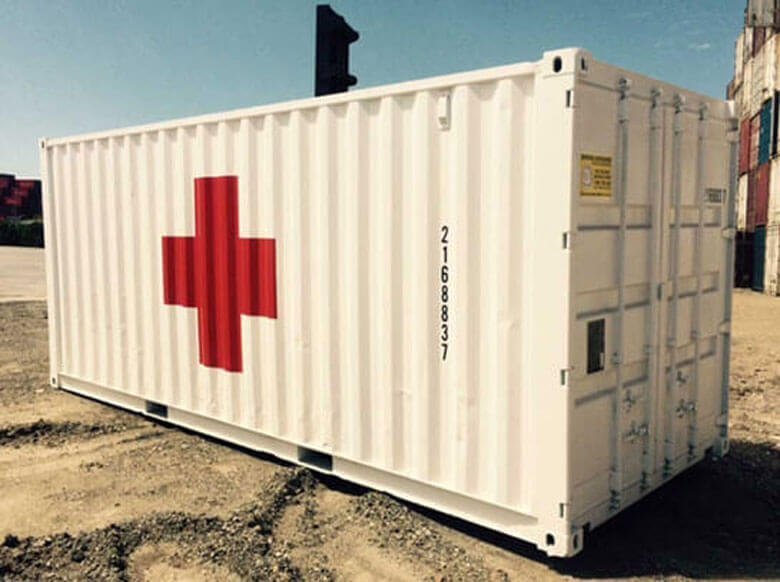
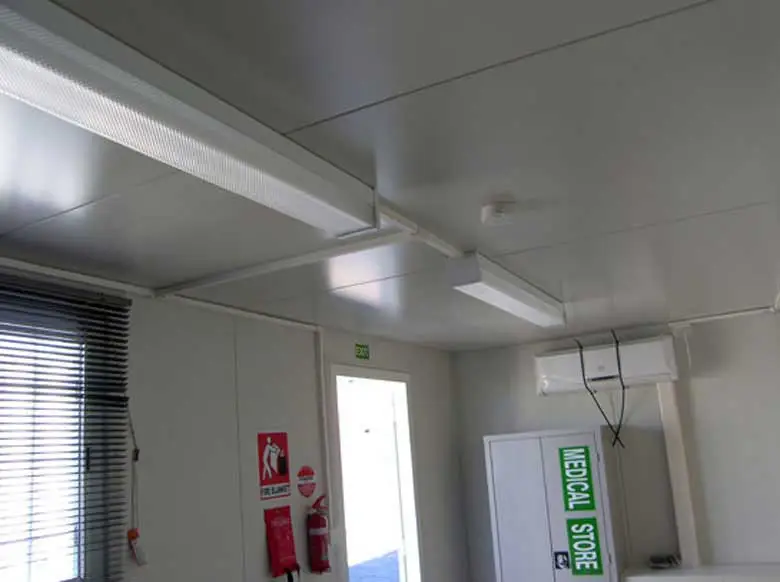
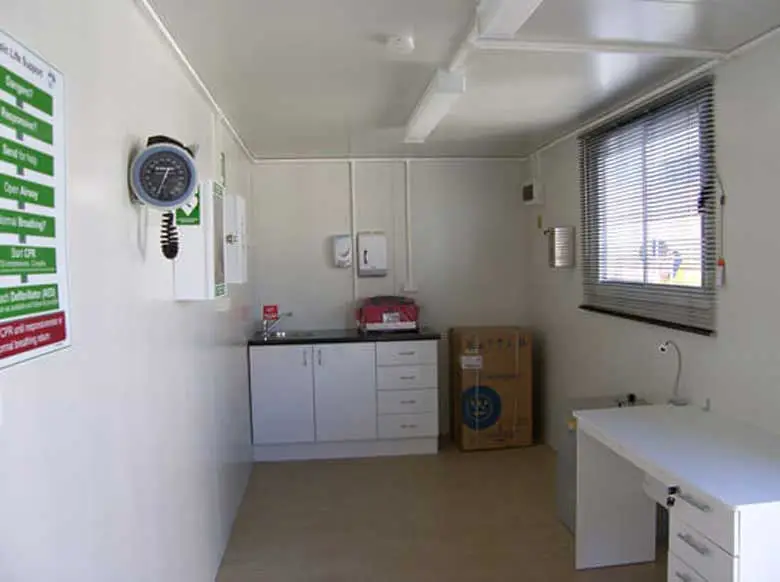
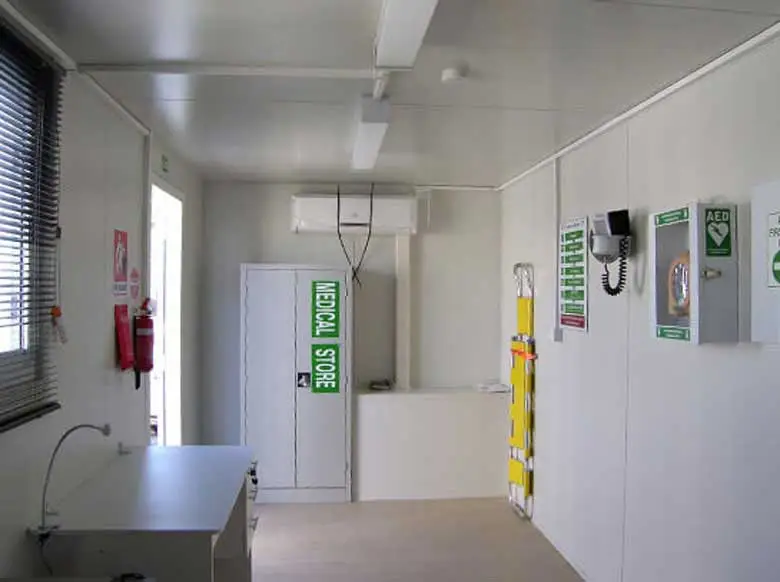
A first aid room is a fully-equipped, controlled space. Specifically, it meets strict rules for size and hygiene. While many buildings have a permanent room, sites often use modular rooms built from shipping containers. These units are perfect for remote or temporary work areas.
Core Purpose & Legal Duty:
-
Provide Immediate Care: First, they create a private, calm space for treatment.
-
Control Infection: Additionally, they maintain a clean, clinical setting.
-
Meet Legal Standards: Furthermore, they fulfill rules like the UK’s Health and Safety regulations.
-
Support Wellbeing: Ultimately, they show a commitment to everyone’s health.
When Do You Need a Dedicated Room?
Regulations often require a dedicated room after a risk assessment. Common triggers include:
-
High-risk industries like construction.
-
Sites with over 100 employees.
-
Also, remote locations with slow emergency response.
-
Workplaces with hazards needing special equipment.
Key Features & Required Equipment
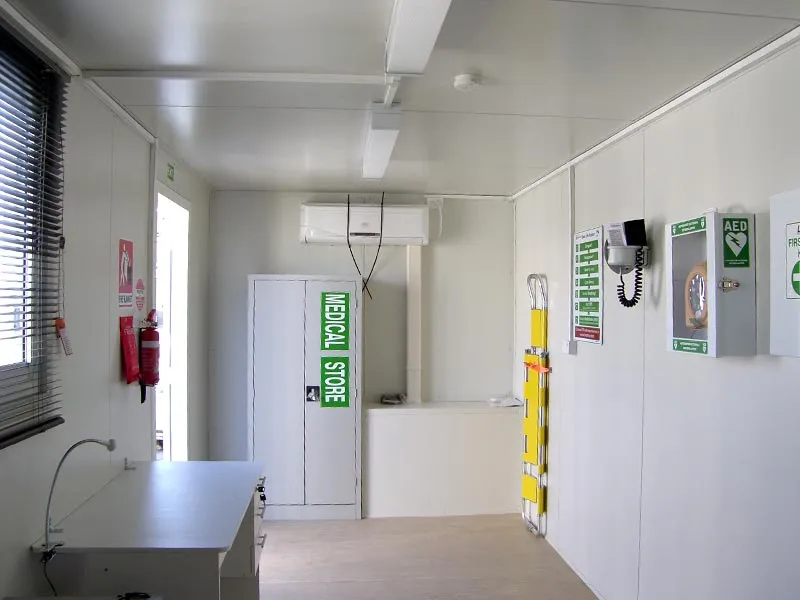
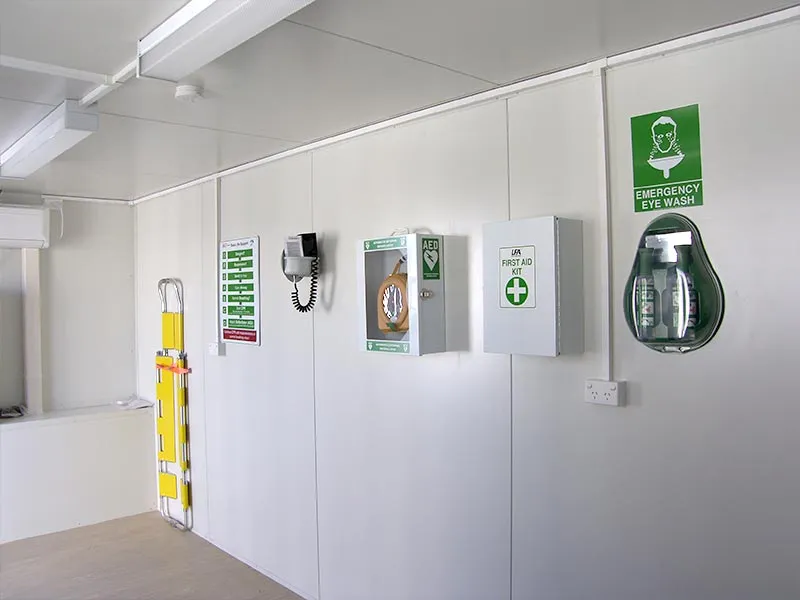
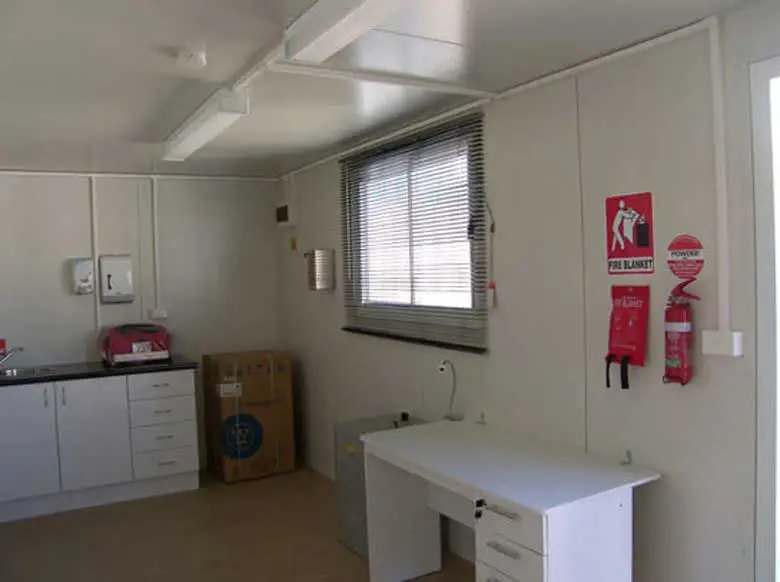
A compliant room needs proper space and supplies.
The Room Itself:
-
Adequate Size: It must fit a treatment couch with space to move.
-
Hygienic Surfaces: For example, vinyl floors and good ventilation are needed.
-
Running Water: Crucially, a sink with hot and cold water is essential.
-
Communication: You need a phone or radio to call for help.
-
Resting Area: Provide a couch with clean sheets and privacy.
-
Waste Disposal: Finally, you need clinical waste bins and sharps containers.
Standard Supplies:
-
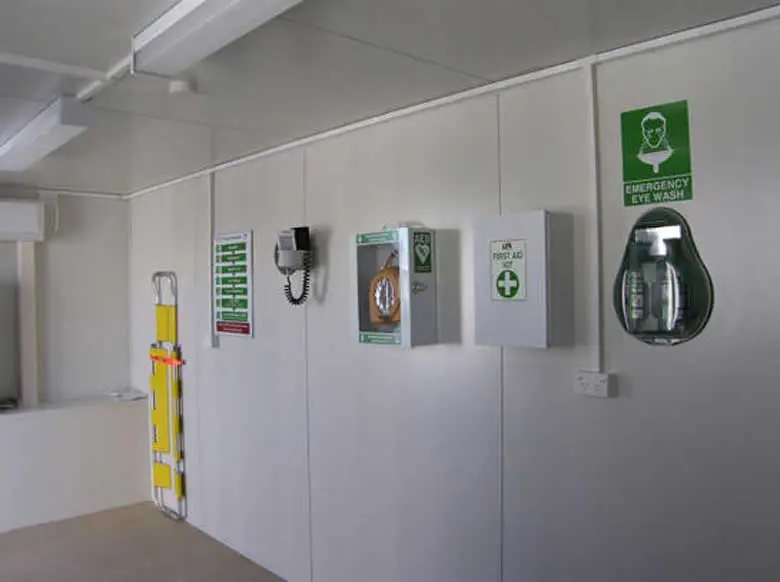
A large, fully stocked first-aid kit.
-
Sterile eye wash and skin wash bottles.
-
Basic medical tools like a blood pressure monitor.
-
Importantly, a treatment log book, which the law requires.
Benefits of a Modular Container First Aid Room
For sites without a permanent building, a container unit is ideal.
-
Fast Setup: You can have it ready in days.
-
Full Compliance: Builders construct it to meet all regulations.
-
Strong & Secure: The steel construction resists weather and damage.
-
Portable: You can move it as your project changes location.
-
Cost-Effective: It avoids the high cost of a permanent brick building.
First Aid Room vs. First Aid Point
| Feature | Dedicated First Aid Room | Basic First Aid Point |
|---|---|---|
| Space | A private, enclosed room. | A wall-mounted cabinet. |
| Facilities | Has a sink, couch, phone, and waste disposal. | Holds basic supplies only. |
| Purpose | For proper assessment and rest. | For minor, immediate treatment. |
| When Needed | For higher-risk or larger sites. | In contrast, for low-risk, small offices. |
How to Manage the Room
Simply having the room is not enough. You must run it properly.
-
Appoint a Responsible Person: One person must restock and maintain the room.
-
Ensure Access: Clearly sign it and keep it unlocked during work.
-
Maintain Cleanliness: Keep it clean and free from storage clutter.
-
Train Staff: Ensure enough qualified first-aiders are on-site.
Planning Steps: How to Get One
Follow this simple process.
-
Conduct a Risk Assessment: First, decide if you need a dedicated room.
-
Define Specifications: Next, use official guides to list your needs.
-
Choose the Type: Then, pick between a permanent build or a modular unit.
-
Select a Supplier: For a modular unit, choose a specialist provider.
-
Install & Equip: After delivery, connect utilities and stock it.
-
Establish Procedures: Finally, train staff and set usage rules.
