
Description
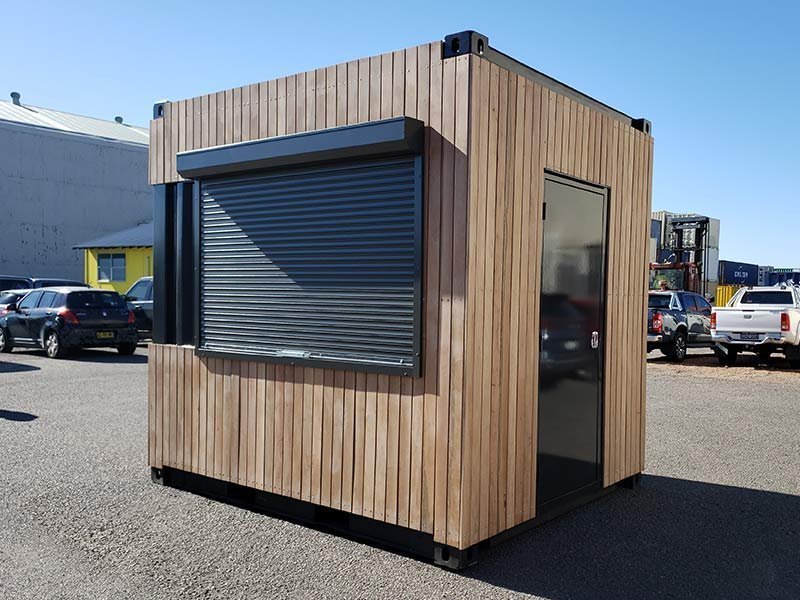
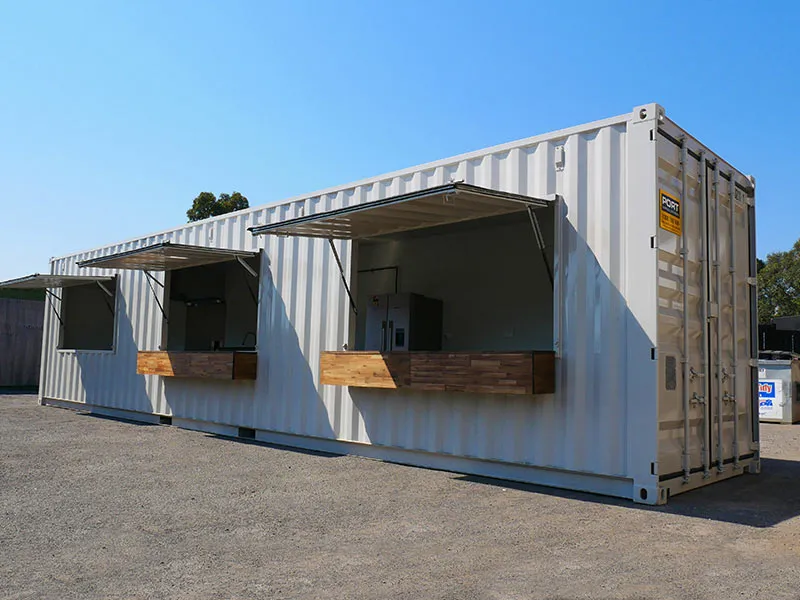
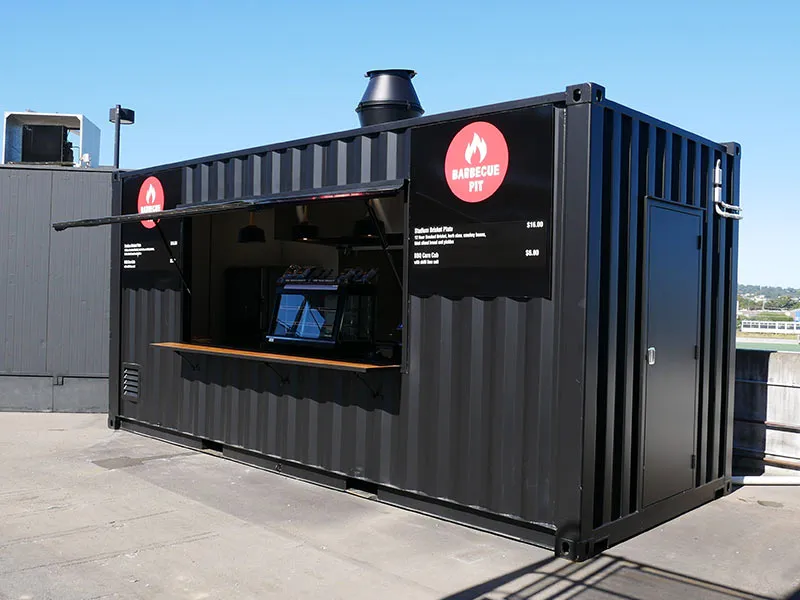
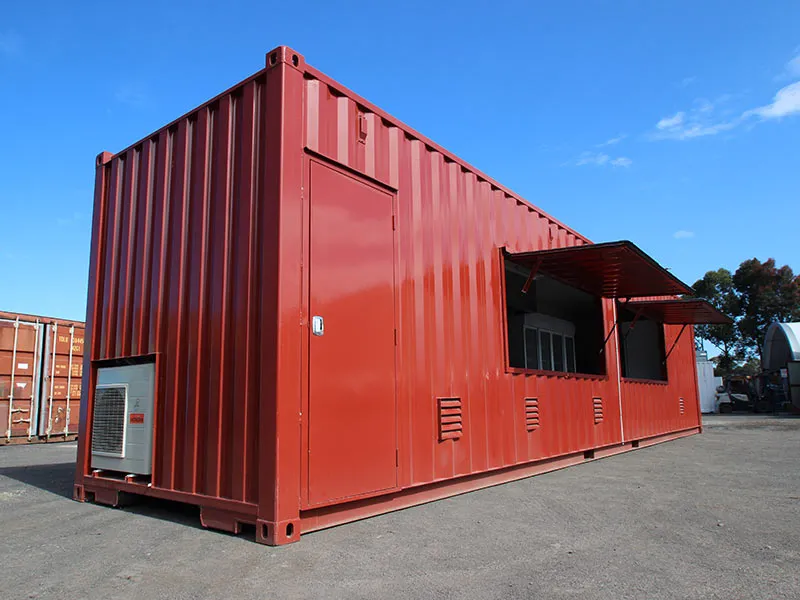
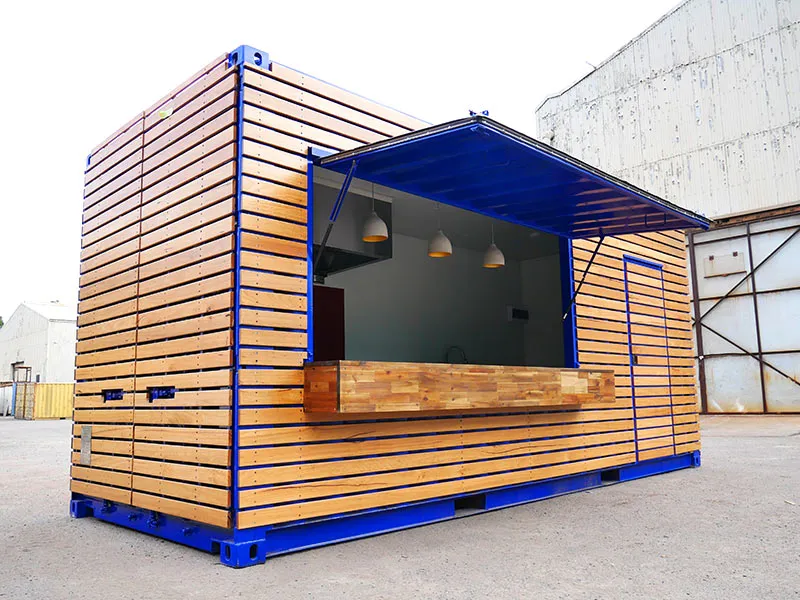
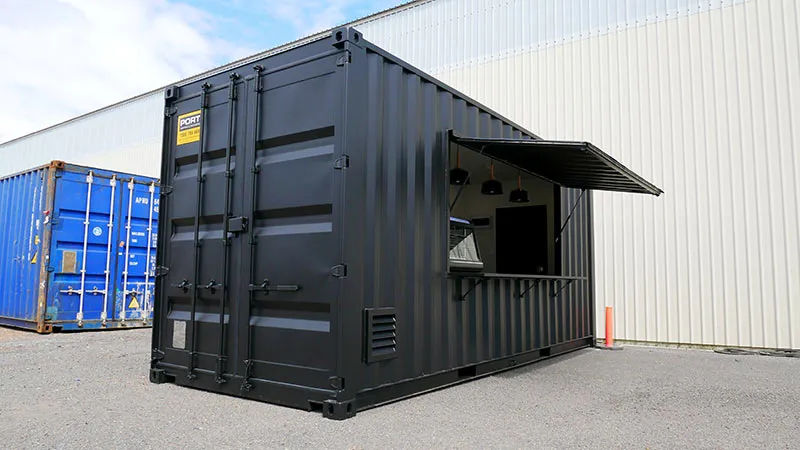
Shipping Container Kitchens are complete commercial kitchens built inside shipping containers. Essentially, they offer a fast and often more affordable alternative to traditional construction. These units are perfect for catering, events, remote sites, and food businesses on the move.
What Is a Container Kitchen?
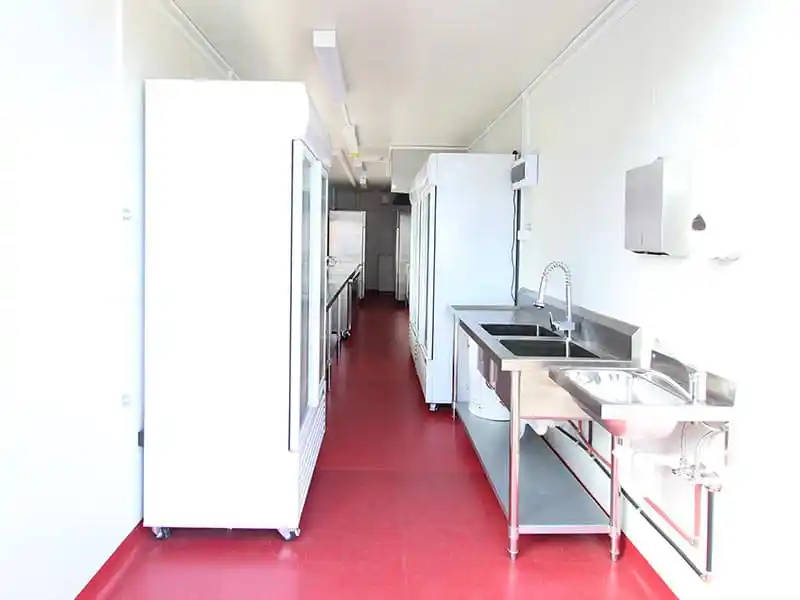
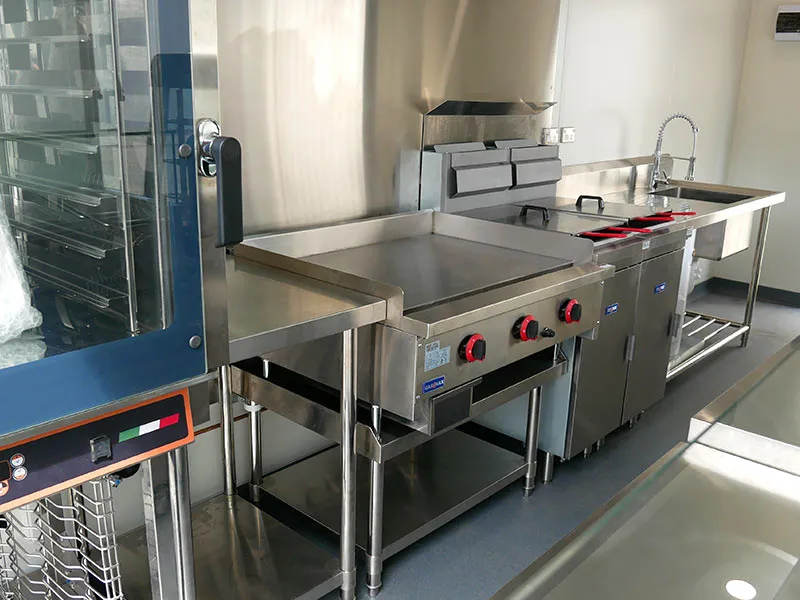
A container kitchen is a professional food prep space inside a steel box. Typically 10ft to 40ft long, these units come fully fitted with everything needed for commercial cooking. Therefore, they are ready to operate almost immediately upon delivery.
Why Use a Container?
-
Mobility: For instance, it can be towed to different events or locations.
-
Speed: It arrives as a turnkey unit, operational in days, not months.
-
Cost-Effective: Furthermore, it often costs less upfront than building a fixed kitchen.
-
Durable & Secure: Additionally, the steel shell is weatherproof and very strong.
Common Types & Uses
Here are the most popular setups.
| Type / Size | Best For | Key Features |
|---|---|---|
| 10ft Mobile Kitchen | Small catering or coffee service. | Compact and easy to tow. |
| 20ft Commercial Kitchen | This is the most popular size. Full-service catering or a food truck base. | Full galley with heavy-duty appliances. |
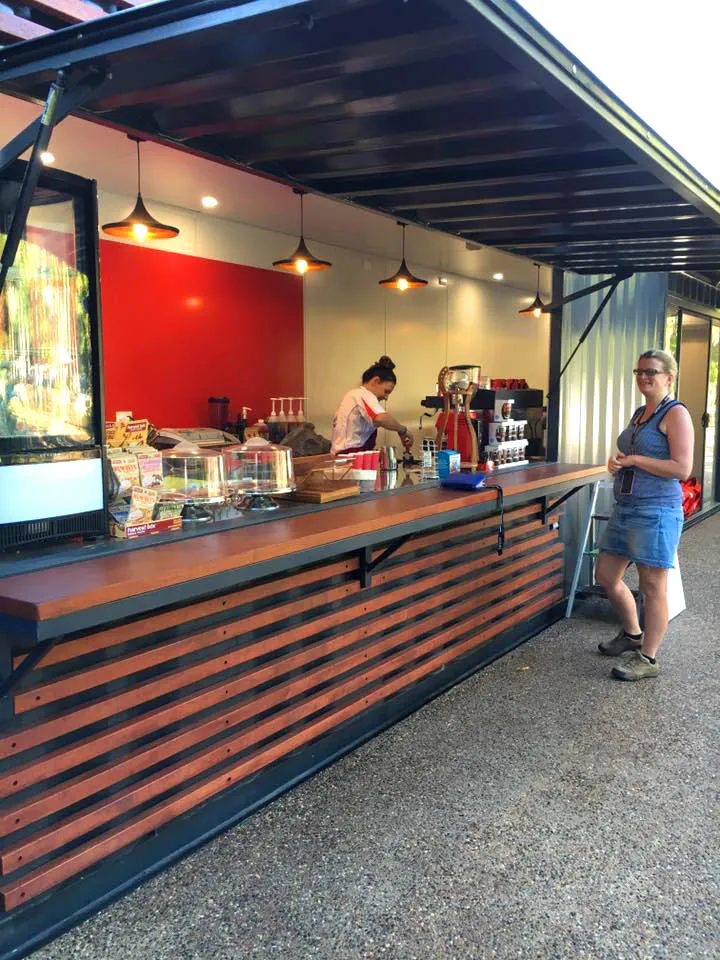
| 40ft Kitchen with Servery | Large events or permanent camps. | Includes a full kitchen plus a serving counter. |
Key Planning Considerations
Careful planning is crucial for a functional kitchen.
1. Layout & Workflow
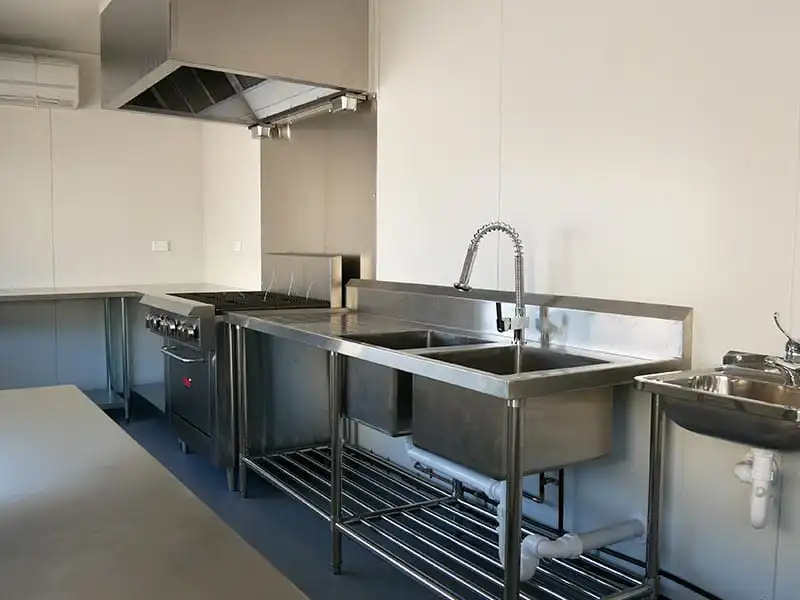
The design must be efficient even in a small space. Consequently, most use a galley or L-shaped layout to fit everything in.
2. Essential Utilities
-
Power: Usually, it needs a high-capacity or 3-phase connection.
-
Water & Waste: It requires a clean water supply and waste tank or drainage.
-
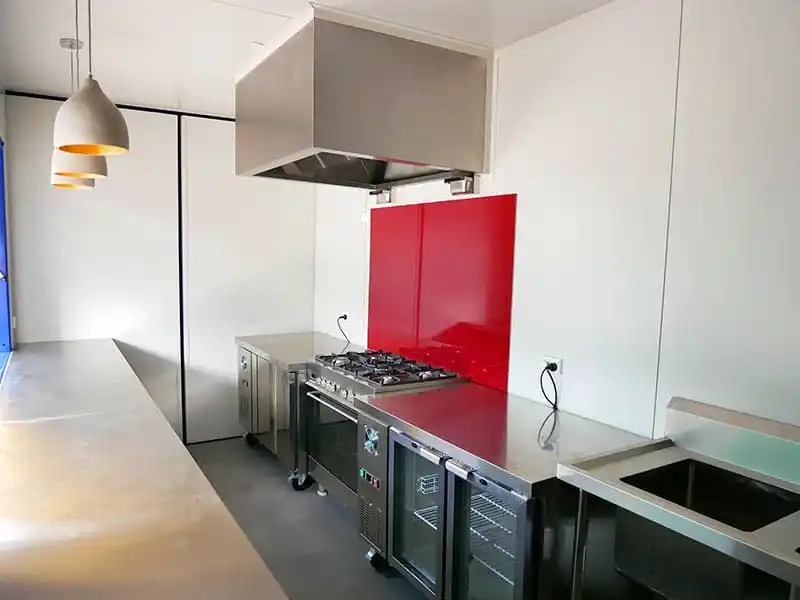
Ventilation: This is non-negotiable. A powerful extractor fan is vital for safety.
-
Climate Control: Insulation and an air conditioner are needed for staff comfort.
3. Rules & Compliance
The kitchen must meet all health, electrical, and gas safety regulations. So, always work with certified professionals.
What’s Inside? Core Components
A professional conversion includes:
-
Structure: Insulation, easy-clean walls (like stainless steel), and tough flooring.
-
Systems: Full plumbing, electrical wiring, and extraction vents.
-
Appliances: Commercial oven, fridge, sinks, and dishwashing station.
-
Safety: Fire suppression and gas detectors.
Cost: Container vs. Traditional Build
| Cost Factor | Container Kitchen | Traditional Kitchen |
|---|---|---|
| Base Structure Cost | Medium cost for the container. | N/A (but high build cost). |
| Fit-Out Cost | Predictable, turnkey price. | Often higher and unpredictable. |
| Time to Open | Weeks. | 3-6+ Months. |
| Can You Move It? | Yes. | No. |
Pros and Cons
Consider these points before you decide.
| Pros | Cons |
|---|---|
| Portable & Flexible | Space is Limited |
| Very Fast Setup | Large Upfront Payment |
| Strong & Secure | Utility Hookups Can Be Tricky |
| Controlled Budget | Moving It Costs Money |
Getting Started: Your Checklist
Follow these steps for a smooth project.
-
Define Your Needs: First, plan your menu and how many people you’ll serve.
-
Find a Location & Get Permits: Next, secure a site and check all local rules.
-
Choose a Builder: Then, pick an experienced container kitchen specialist.
-
Finalize the Design: After that, approve the detailed layout and appliance list.
-
Plan for Operation: Finally, arrange delivery, connections, and staff training.
Final Verdict
A shipping container kitchen is a powerful professional tool. It is ideal when you need a kitchen fast, need to move it, or are working in a remote spot.
