
Description
Shipping Container Cafes are trendy, functional food and drink businesses built from modified shipping containers. They offer a unique, industrial-chic aesthetic with lower startup costs and greater flexibility than traditional brick-and-mortar builds. This model is perfect for entrepreneurs, pop-ups, and established brands looking to expand.
What is a Shipping Container Cafe?
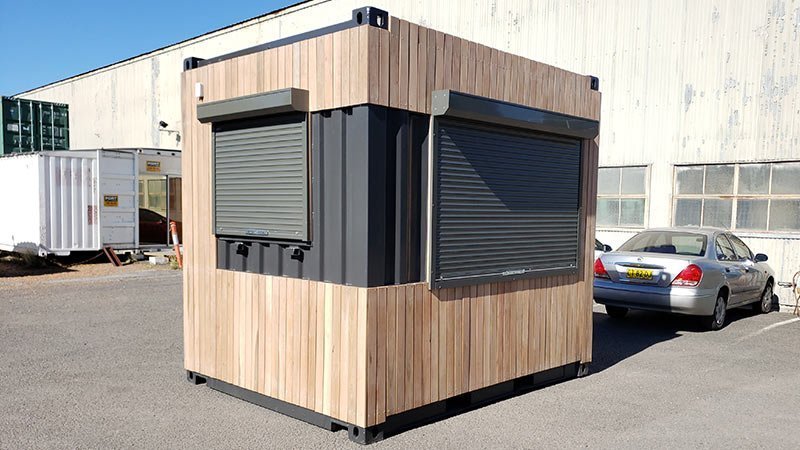
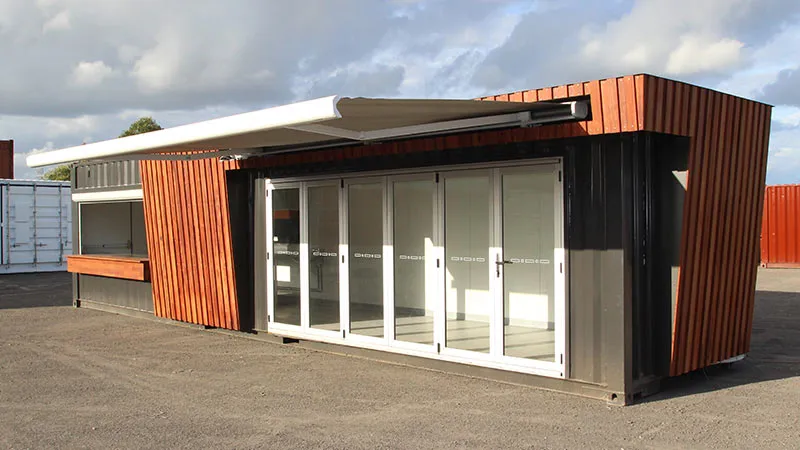
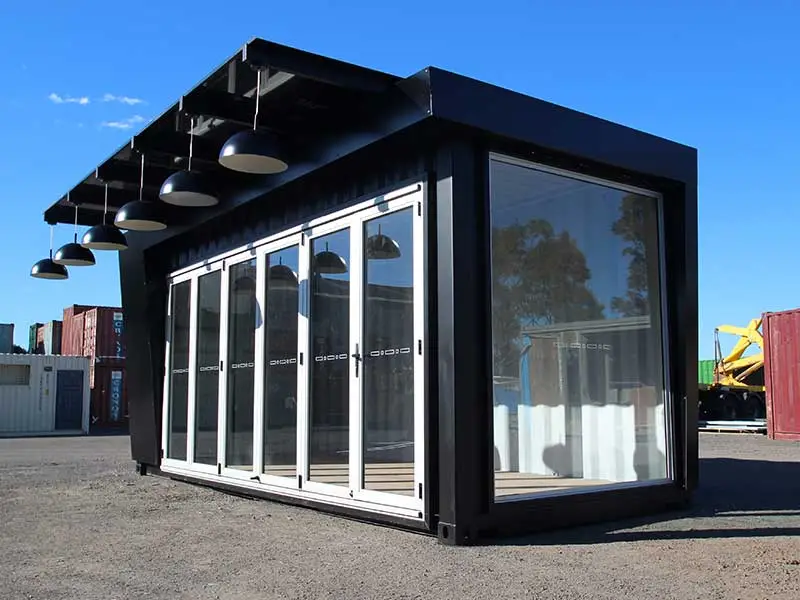
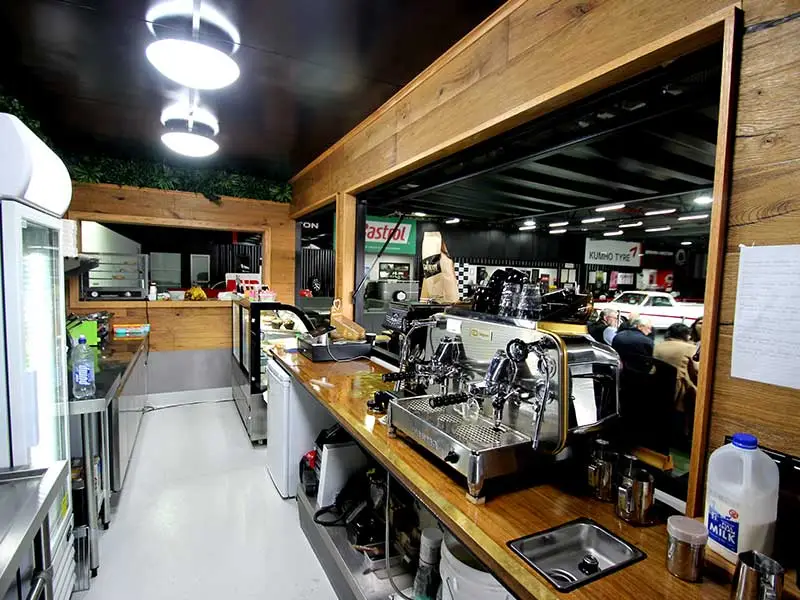
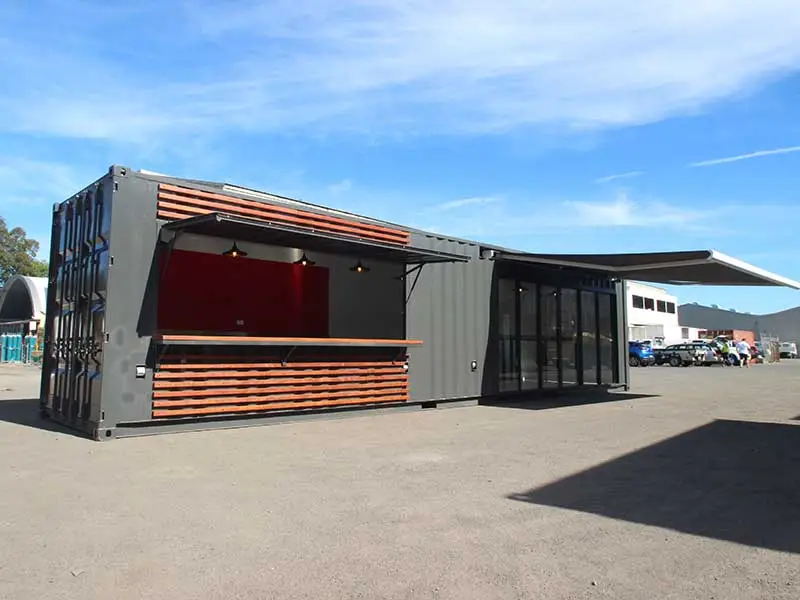
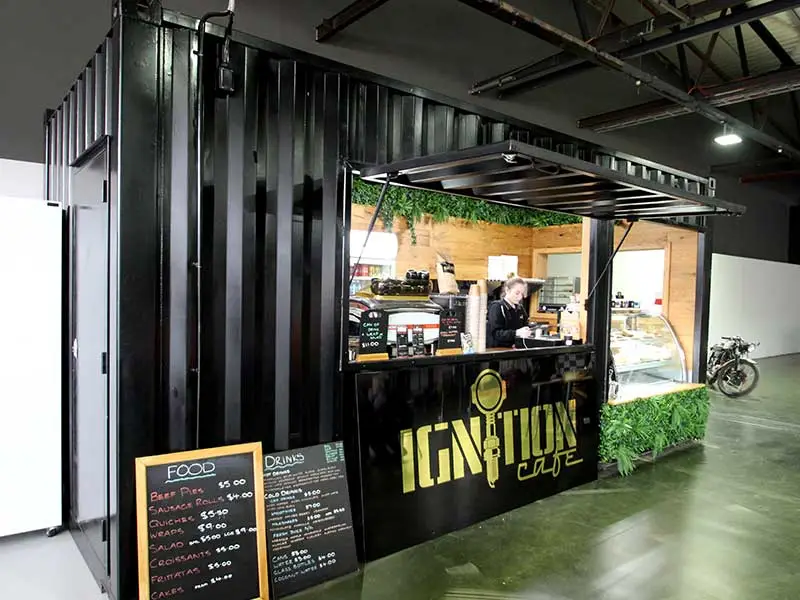
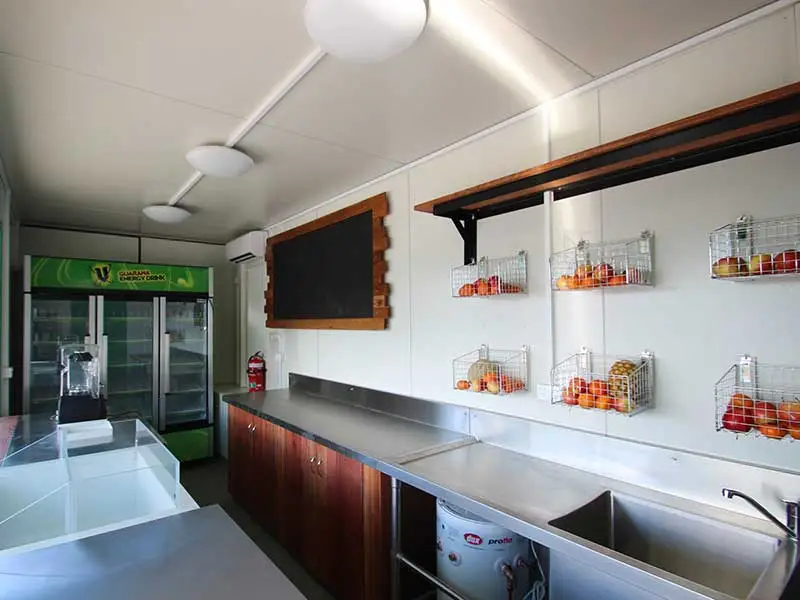
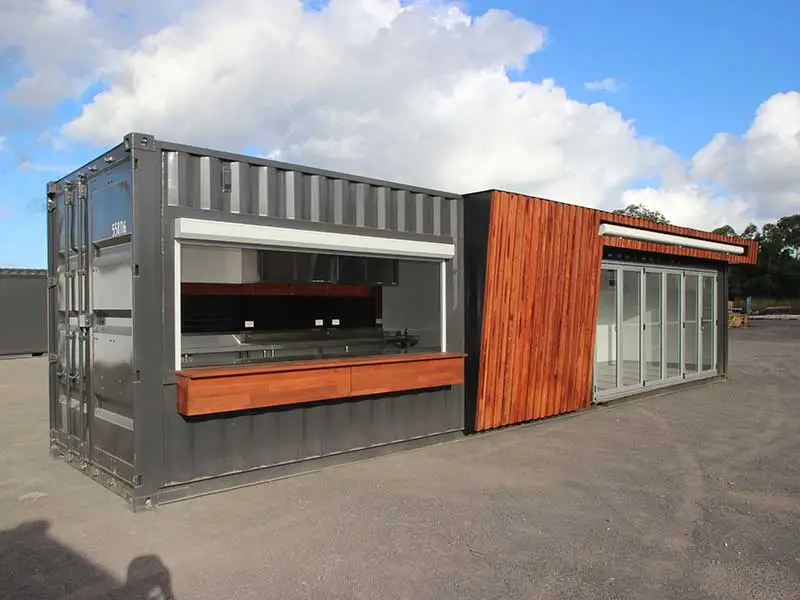
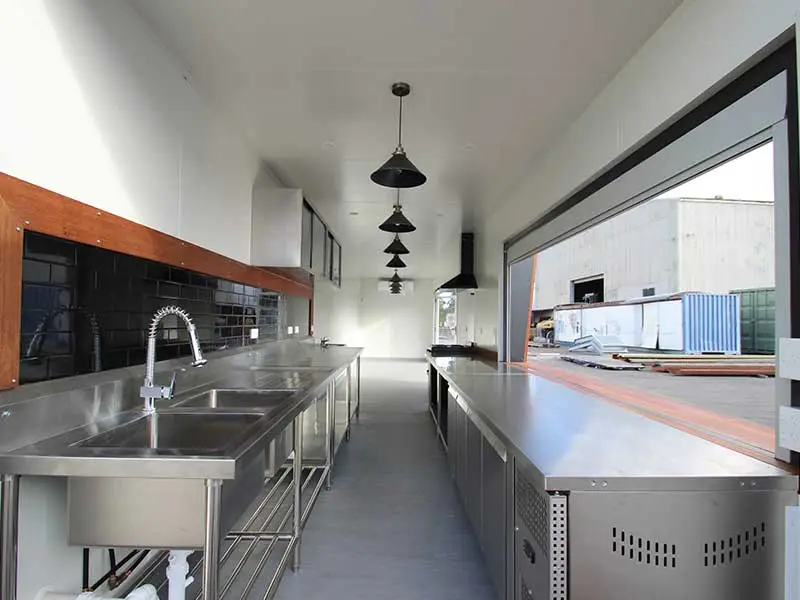
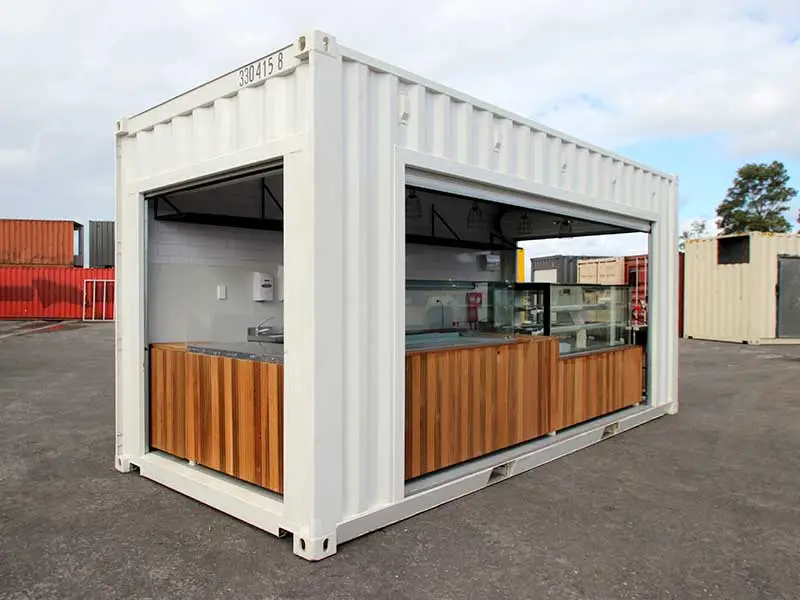
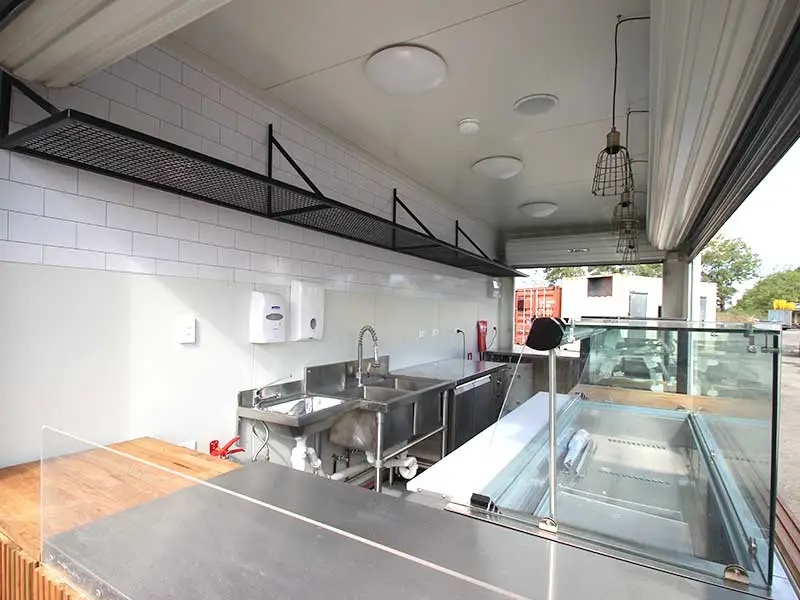
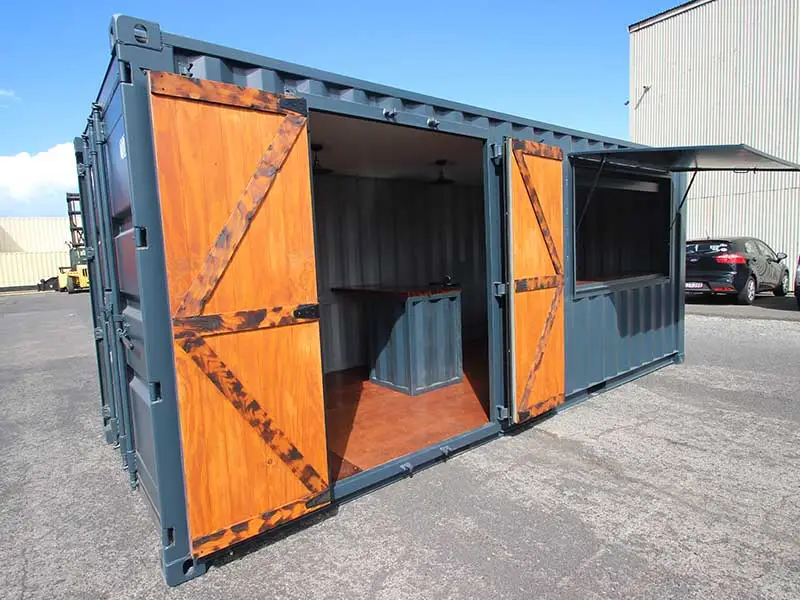
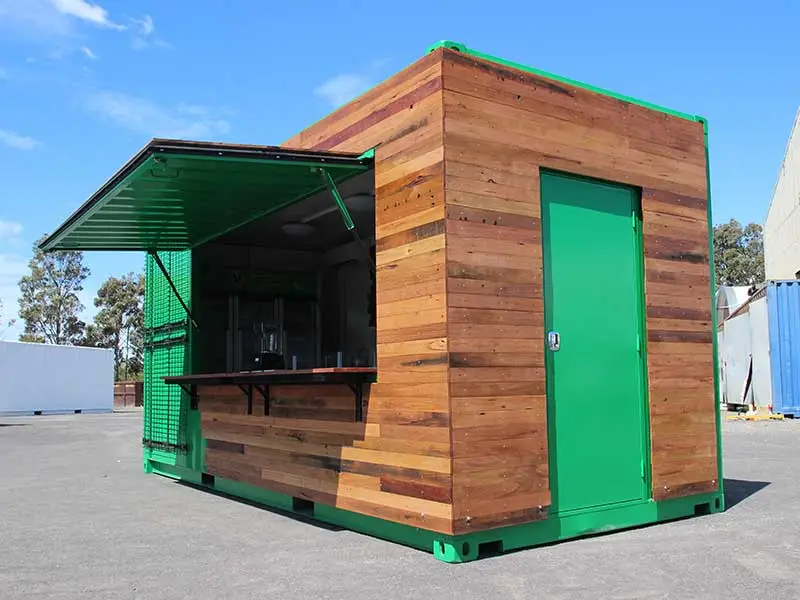
It’s exactly what it sounds like: a fully operational cafe housed within a converted shipping container. Typically 20ft or 40ft in size, the container is fitted with everything needed to run a food service business, from a commercial kitchen and serving counter to seating and climate control.
Why Choose a Container?
-
Lower Startup Cost: Significantly cheaper than constructing a new building or leasing and fitting out a traditional retail space.
-
Mobility: Can be relocated to follow customer demand, attend events, or test new markets.
-
Speed to Market: Can be ordered as a turnkey unit and be operational in weeks, not months.
-
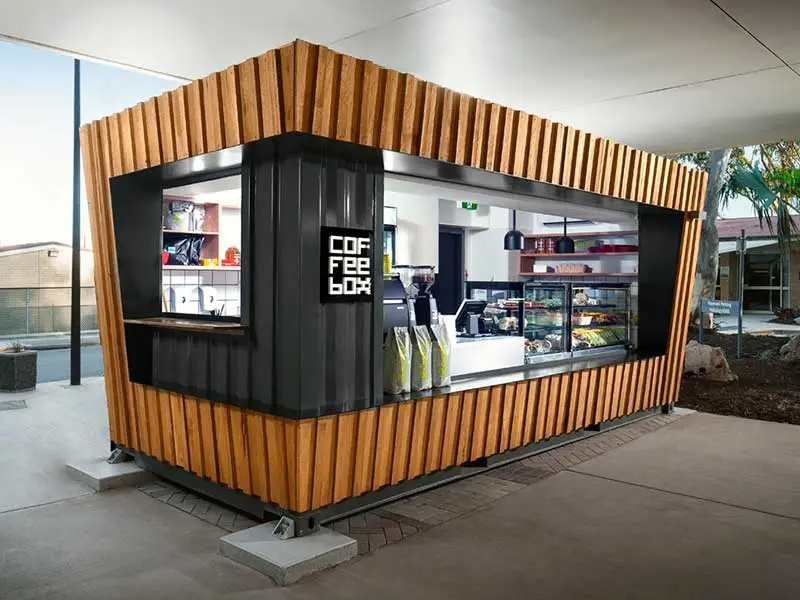
Strong Brand Image: The modern, sustainable “upcycled” design attracts attention and tells a unique brand story.
-
Flexibility: Easy to expand by adding more containers or modify the layout as the business grows.
Key Considerations & Planning
1. Concept & Design
-
Menu & Workflow: Your menu dictates the kitchen layout. Design for efficiency in a compact space.
-
Container Size: A 10ft unit suits a simple coffee/kiosk. A 20ft is standard for a full-service cafe. A 40ft allows for indoor seating.
-
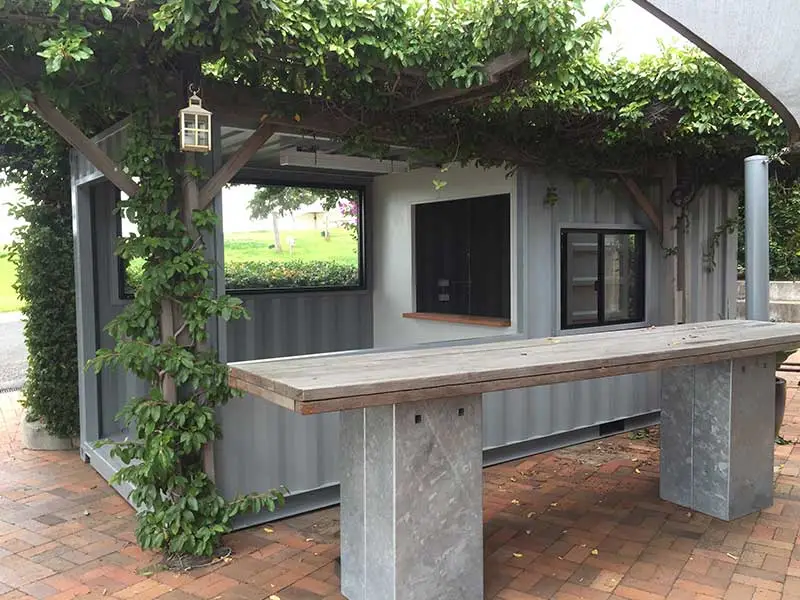
Customization: Decide on features: serving hatches, fold-down decks, large windows, outdoor seating, branding wraps, and interior finish.
2. Location & Logistics (The Most Critical Step)
-
Land Permission: You must secure a legal agreement to place your container (e.g., lease, license, event permit).
-
Utilities: Plan and budget for connections to Water, Sewage/Drainage, Electricity (often 3-phase for heavy equipment), and Gas.
-
Foot Traffic & Visibility: Choose a site with high visibility and your target customer in mind.
-
Access: Ensure delivery trucks and service vehicles can reach the site.
3. Compliance & Regulations
-
Planning Permission: Check with your local council. Temporary structures may have different rules than permanent ones.
-
Health Department Approval: Your fit-out must meet all food safety and hygiene regulations for commercial kitchens.
-
Building Code: The structure must comply with codes for insulation, fire safety, ventilation, and accessibility.
-
Business License: Standard requirements for any food service business apply.
The Conversion: What’s Inside?
A professional converter will handle the transformation:
-
Structural: Cutting openings for doors/windows, reinforcing walls, adding insulation and vapour barriers.
-
Utilities: Installing plumbing, electrical wiring, ventilation/extraction, and HVAC (heating & air conditioning).
-
Interior: Fitting kitchen units, commercial appliances, countertops, flooring, and lighting.
-
Exterior: Adding decks, stairs, signage mounts, and exterior cladding or paint.
Cost Breakdown (Approximate)
| Cost Area | Description | 20ft Cafe Example (GBP) |
|---|---|---|
| Base Container | Purchase of a new or used container. | £2,000 – £5,000 |
| Conversion & Fit-out | Professional modification, kitchen install, utilities. | £25,000 – £60,000+ |
| Appliances | Coffee machine, fridge, dishwasher, oven, etc. | £10,000 – £25,000 |
| Site Works | Foundation, utility connections, landscaping. | £5,000 – £15,000+ |
| Fees & Licenses | Planning, health permits, business license. | £1,000 – £5,000 |
| Total Startup Range | £43,000 – £110,000+ |
Note: Costs vary wildly based on spec, location, and whether you buy a turnkey unit or manage the project yourself.
Pros and Cons
| Pros | Cons |
|---|---|
| Lower Capital Investment | Space is Limited – Requires clever design. |
| Faster Launch Timeline | Location Dependency – Success hinges on site. |
| Eye-Catching & On-Brand | Regulatory Hurdles – Permits can be complex. |
| Portable & Flexible | Ongoing Site Costs – Rent, utility fees. |
| Perceived as Sustainable | Limited Seating (in smaller units). |
Real-World Success Stories
Container cafes are thriving globally as:
-
Specialty Coffee Shops
-
Smoothie & Juice Bars
-
Gourmet Burger Stands
-
Ice Cream Parlours
-
Wine & Craft Beer Bars
-
Farm-to-Table Kiosks
Getting Started: Your Action Plan
-
Develop Your Business Plan: Nail your concept, menu, and financial projections.
-
Research Locations: Scout and secure a potential site, understanding the costs and permissions involved.
-
Consult Experts: Talk to container conversion specialists, your local council planning department, and a health inspector early on.
-
Get Designs & Quotes: Work with a converter on detailed designs and a firm, all-in quote.
-
Secure Funding: Use your business plan and quotes to seek a loan or investors.
-
Execute: Place the order, manage site prep, and launch your business!
Final Verdict
A shipping container cafe is a brilliant, lower-risk pathway into the food service industry. It allows for creativity, agility, and a strong connection with customers. However, its success is not guaranteed by the cool design alone.
