
Description
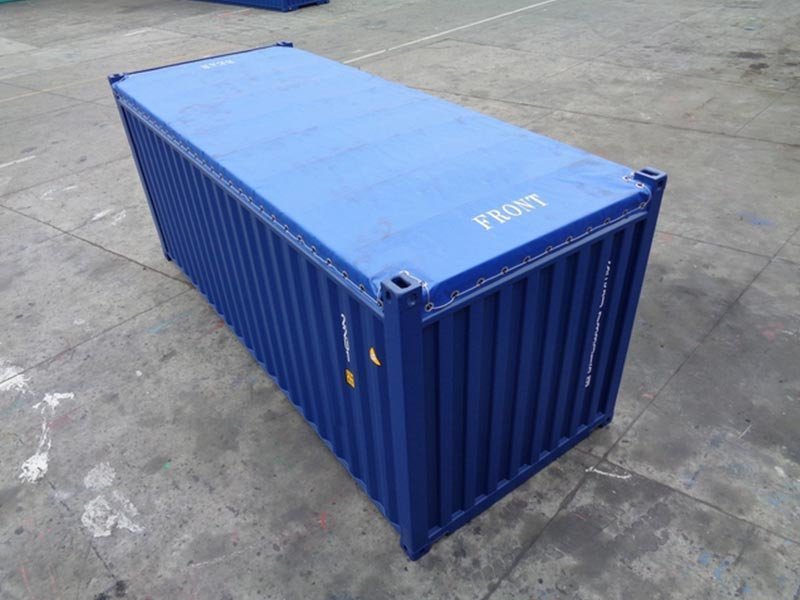
Open Top Containers are standard dry shipping containers with a fundamental difference: they lack a solid steel roof. Instead, they feature a heavy-duty, removable tarpaulin cover secured to a metal frame. This design allows for top-down loading and unloading, making them essential for shipping cargo that is too tall, heavy, or awkward to fit through standard container doors.
What is an Open Top Container?
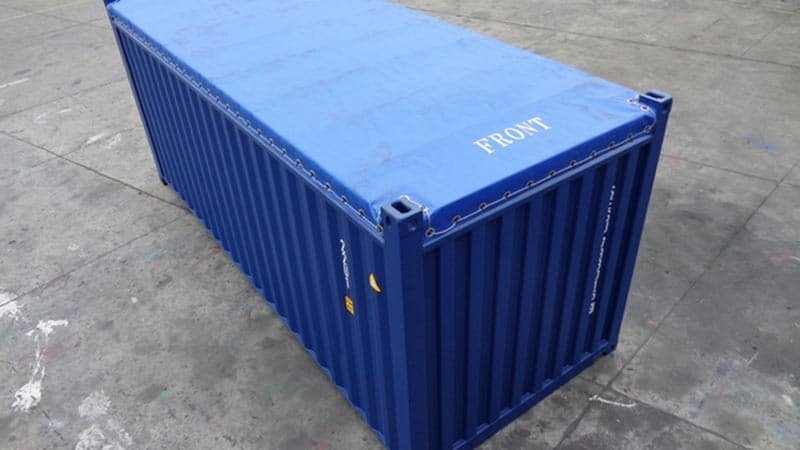
Imagine a standard 20ft or 40ft steel box, but with the roof replaced by a giant, waterproof canvas sheet. This flexible tarp is attached to the top rails with tension locks or lashing bars and can be rolled back or removed entirely.
Why does this design exist?
Some cargo simply cannot be loaded sideways through the end doors. For instance, heavy machinery, large industrial parts, or oversized construction materials are often craned directly into the container from above. Consequently, the open top solves a critical logistics challenge.
Key Features & Specifications
| Feature | Details | Why It Matters |
|---|---|---|
| Standard Sizes | 20ft and 40ft (Standard & High Cube). | Fits standard ship and truck slots. |
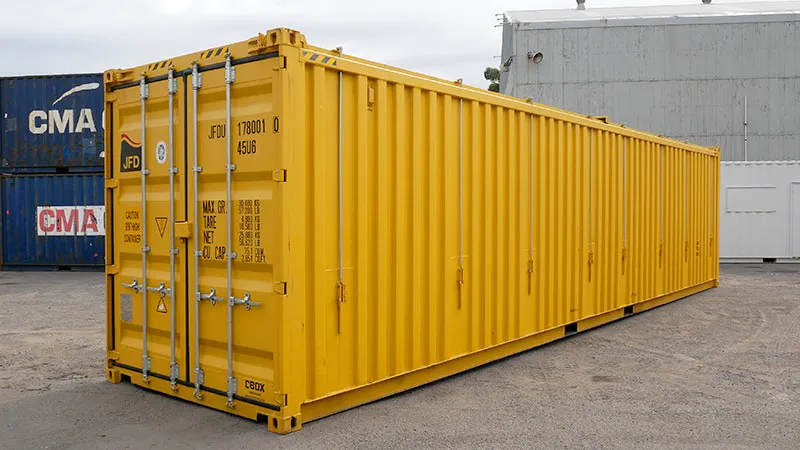
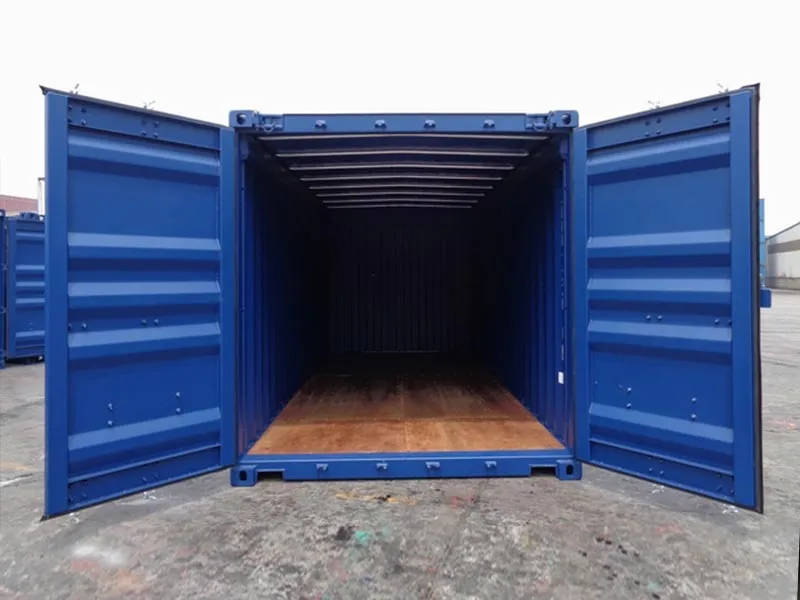
| Door Configuration | Has standard end doors like a dry van. | Can still be used for normal access if needed. |
| Roof Type | Removable waterproof tarpaulin on a metal frame. | Enables vertical loading/unloading. |
| Loading Method | Primarily from the top using a crane or forklift. | Handles over-height and heavy-lift cargo. |
| Common Cargo | Machinery, pipes, timber, heavy equipment, scrap metal. | Ideal for bulky, non-containerized goods. |
Top Advantages of Using an Open Top
-
Unlimited Vertical Loading: You are not restricted by the door height. Cargo can be taller than the container itself during loading.
-
Simplified Loading of Heavy Items: A crane can place items directly into the center of the container, avoiding complex maneuvering.
-
Versatility: The tarp can be closed for weatherproof transport, then reopened for easy unloading.
-
Cost-Effectiveness: Often cheaper and faster than using a flat rack for certain types of tall cargo.
Primary Uses & Industries
-
Heavy Machinery & Manufacturing: Shipping generators, turbines, factory equipment, and agricultural machinery.
-
Construction & Engineering: Transporting large pipes, pre-fabricated structures, steel beams, and construction vehicles.
-
Forestry & Mining: Moving large-diameter logs, drilling equipment, and oversized mining parts.
-
Demolition & Recycling: An efficient way to ship bulk scrap metal and waste.
-
Special Projects: Transporting artwork, yachts, or any unique, oversized item.
Important Considerations & Limitations
-
Security: The tarpaulin roof is less secure than a solid steel roof and can be cut.
-
Weather Protection: While waterproof, the tarp is more vulnerable to high winds and extreme weather than a hard top.
-
Loading/Unloading Requirements: Requires access to a crane or heavy forklift at both origin and destination, which adds cost.
-
Tarp Maintenance: The tarpaulin and its securing mechanism can wear out and may need replacement over time.
-
Not for All Cargo: Not suitable for loose bulk goods or cargo that requires maximum security.
Open Top vs. Other Container Types
| If your cargo is… | Consider this container type: |
|---|---|
| Too tall for doors, but can be top-loaded. | Open Top Container |
| Too long, wide, or heavy for any enclosed container. | Flat Rack Container |
| Standard-sized, boxed, or palletized. | Standard Dry Container |
| Requires temperature control. | Reefer (Refrigerated) Container |
| Needs side access for loading. | Open Side or Side Door Container |
Buying or Renting: A Quick Guide
Buy an Open Top Container if:
-
You regularly ship the same type of oversized cargo.
-
You want a long-term asset for storage or conversion (they can be fitted with a solid roof later).
-
The total cost of ownership is lower than long-term rental.
Rent an Open Top Container if:
-
Your need is one-off or occasional.
-
You want to avoid maintenance and storage responsibilities.
-
You need flexibility for different projects.
Final Verdict
An Open Top Container is a specialized tool for a specific job. It is the most efficient and often the only way to ship certain kinds of oversized industrial and project cargo via standard container shipping lines.
