

Description
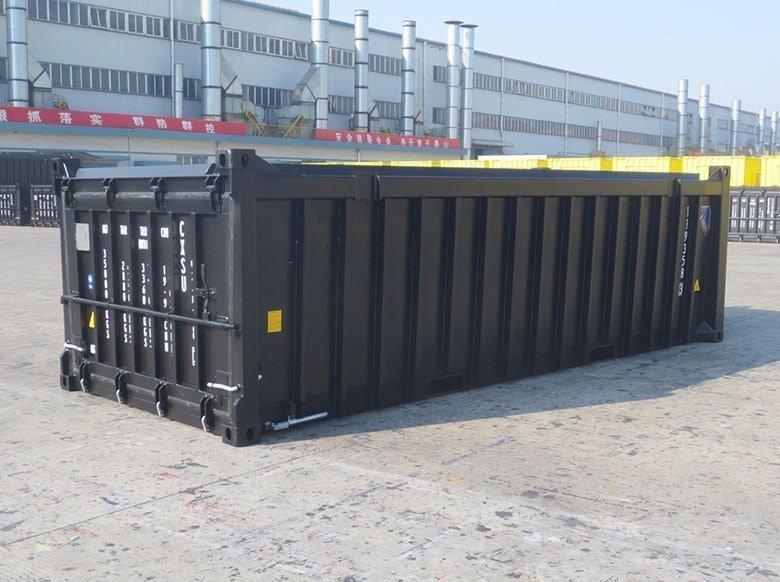
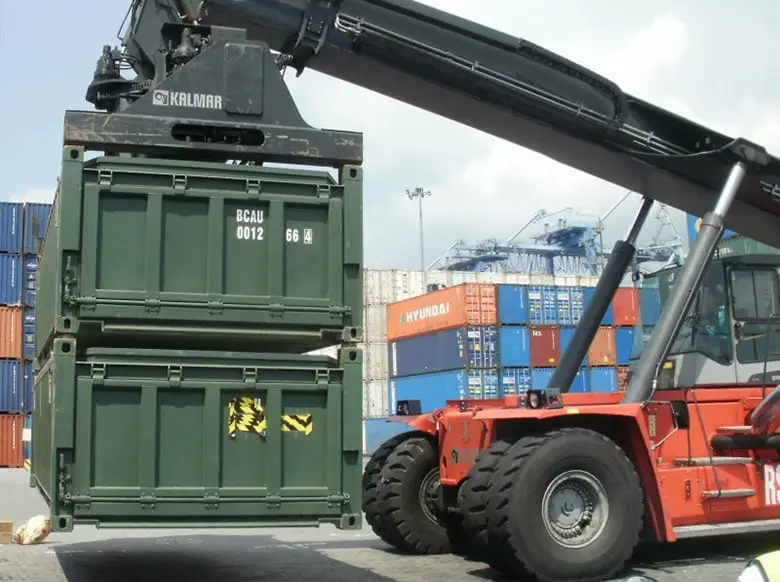
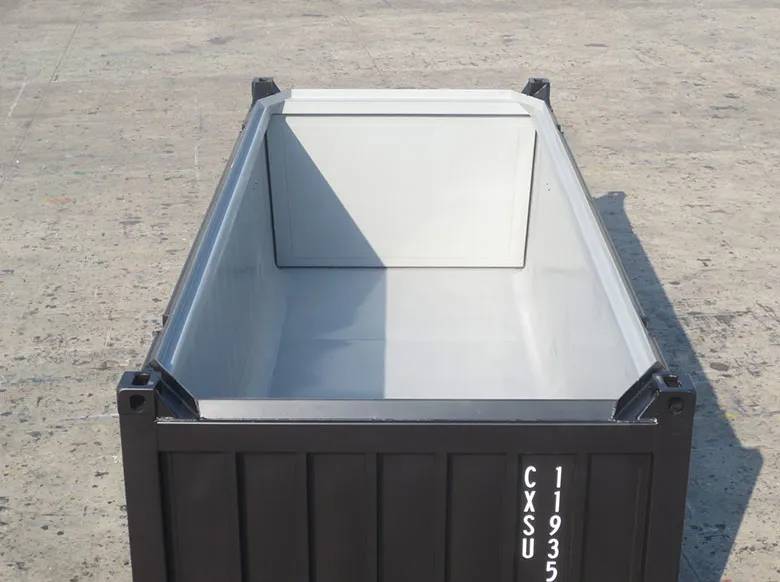
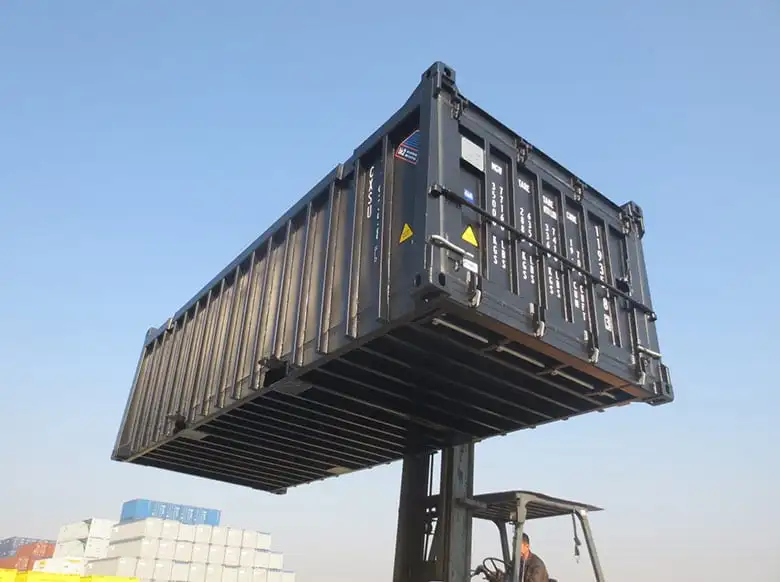
Open Top Half Height Containers are a unique type of shipping container. They combine two important features: they are half the usual height and have an open top. This specialized design is built for one main job: loading very heavy, dense, or low cargo that is difficult or unsafe to handle in a standard box.
What Makes Them Different?
These containers stand out due to their two defining traits.
1. They Are Half the Standard Height
While a standard container is 8’6″ tall, these units are only about 4 feet (1.2 meters) tall. This low profile is their biggest advantage, as it allows for easy and safe top-loading of extremely heavy items like stone slabs or metal ingots. Workers can often load them directly from ground level.
2. They Feature an Open Top
Just like a full-height open top, these units use a removable tarpaulin roof instead of solid steel. This design provides full overhead access for cranes and simplifies loading items that fill the container’s width.
In essence, think of it as a heavy-duty, steel-sided industrial tray on wheels.
Key Specifications & Design
Here are the vital details that define this container.
| Feature | Details | Primary Benefit |
|---|---|---|
| External Height | ~4′ 0″ (approx. half of standard) | Enables easy, safe loading from the side or top. |
| Standard Lengths | 20ft and 40ft. | Compatible with standard transport systems. |
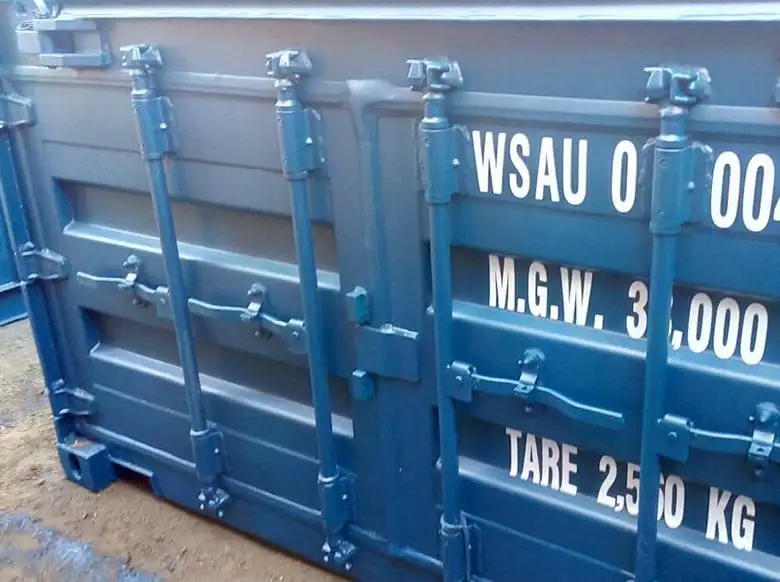
| Construction | Heavy-duty steel frame and lower side walls. | Built to carry the weight of dense cargo. |
| Doors | One end is fully open or has removable gates. | Gives direct, unobstructed access for loading. |
| Primary Use | Top-loading of heavy, low-profile goods. | Solves a specific weight and loading challenge. |
Top Uses & Ideal Cargo
This container serves a niche role in heavy industries.
-
Construction & Quarrying: Perfect for transporting paving stones, marble slabs, bricks, and heavy masonry.
-
Metals & Recycling: Ideal for shipping dense scrap metal, metal ingots, or heavy machine parts.
-
Heavy Machinery: Excellent for moving low-profile equipment bases or presses that are too heavy for a standard floor.
-
Rail & Infrastructure: Suited for carrying railway track components or dense ballast.
-
Any Application where the cargo is very heavy but not tall.
Key Advantages
-
Unmatched Loading Ease: The low sides let cranes place cargo precisely, often without workers needing to climb inside.
-
Optimal for Dense Cargo: It maximizes weight use without wasting vertical space, helping to stay under transport weight limits.
-
Improved Safety: This design reduces the injury risk from manually loading heavy items over high container sides.
-
No Door Restrictions: With one end fully open, long items can be loaded straight in without tricky maneuvering.
Important Considerations
Before choosing this type, keep these points in mind.
-
Not for General Cargo: It’s a poor choice for standard pallets or boxed goods. This is a specialist tool.
-
Water & Security: The open top and low sides offer less weather protection and security than a sealed container. The tarp is vital for transport.
-
Availability: They are less common than standard containers and may require sourcing from a specialist.
-
Transport Handling: Terminals and trucks need to be able to handle this non-standard height.
How to Choose: Half-Height vs. Standard
Use this simple guide to make the right choice.
| If you need to… | Choose a Half-Height Open Top | Choose a Standard Container |
|---|---|---|
| Load heavy slabs or ingots | YES – The perfect, safe solution. | NO – Difficult and unsafe. |
| Ship palletized boxes | NO – Wastes huge amounts of space. | YES – The correct tool. |
| Maximize weight for dense goods | YES – Designed for this purpose. | NO – Hits weight limit before it’s full. |
| Get weather-tight, secure storage | NO – Offers minimal protection. | YES – Sealed and secure. |
