
Description
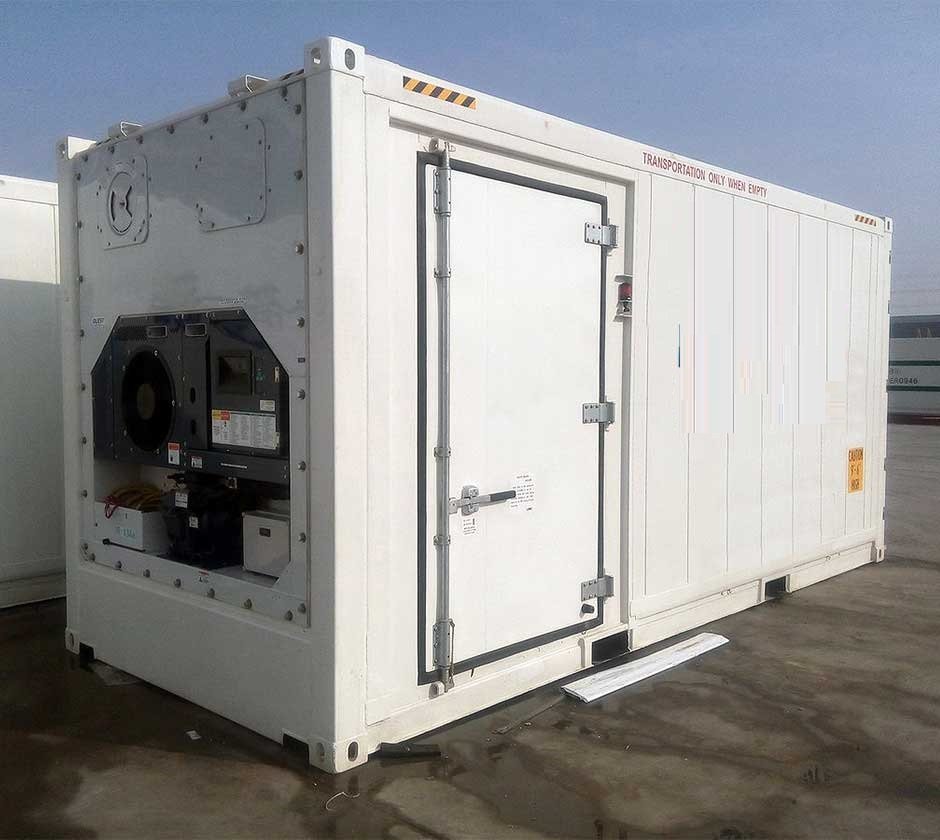
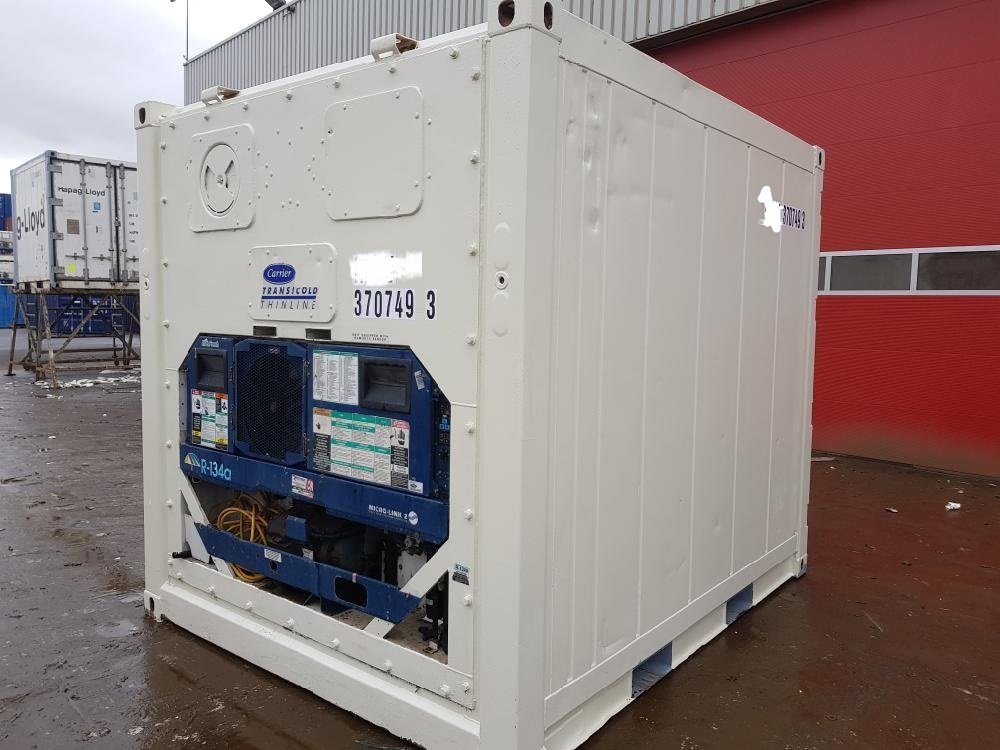
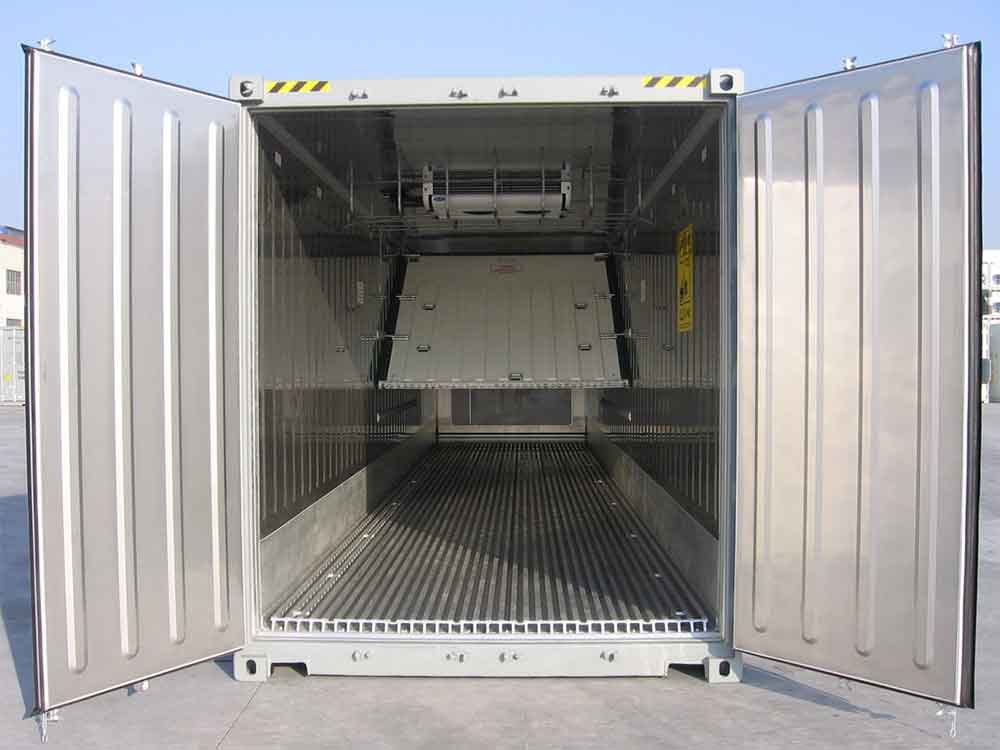
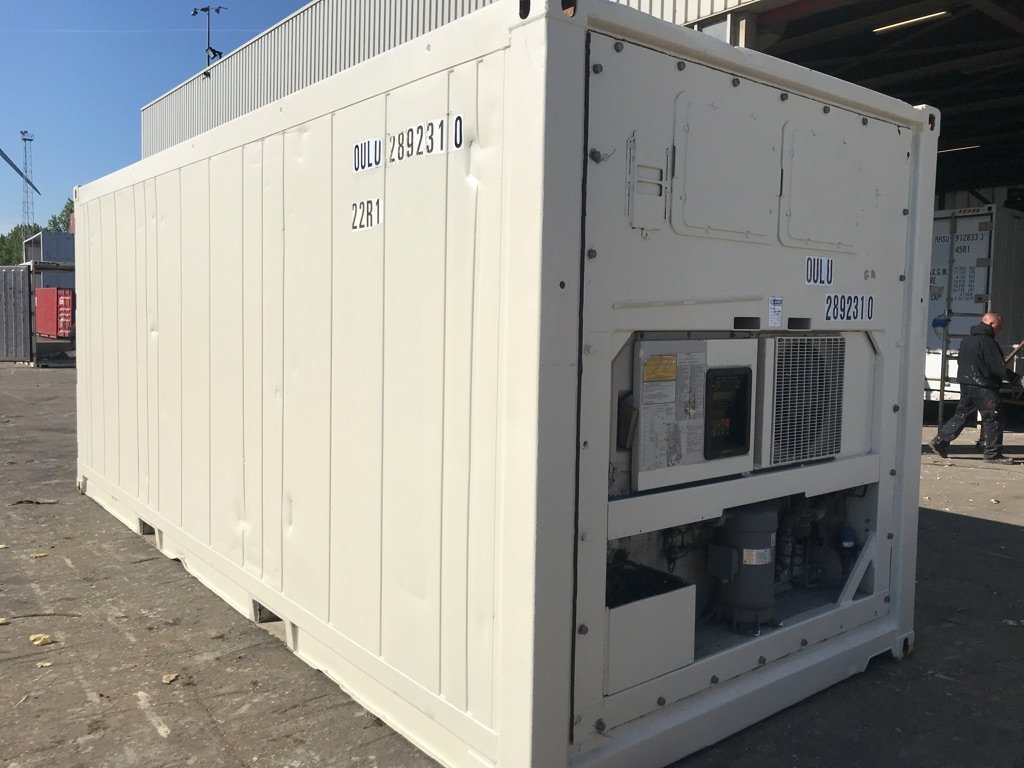
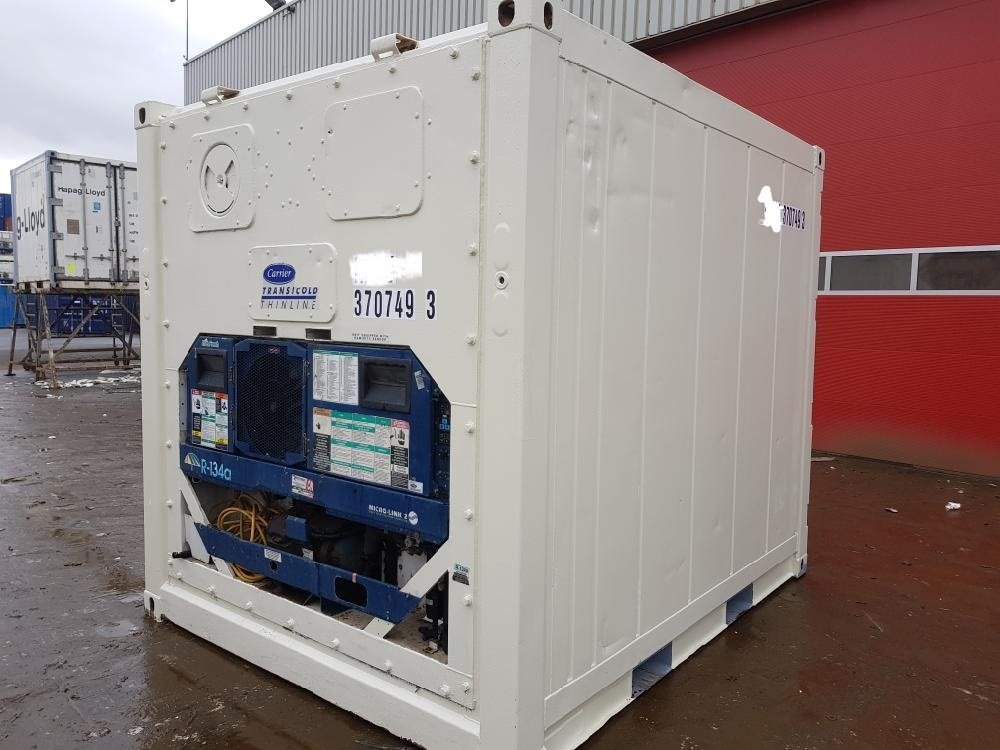
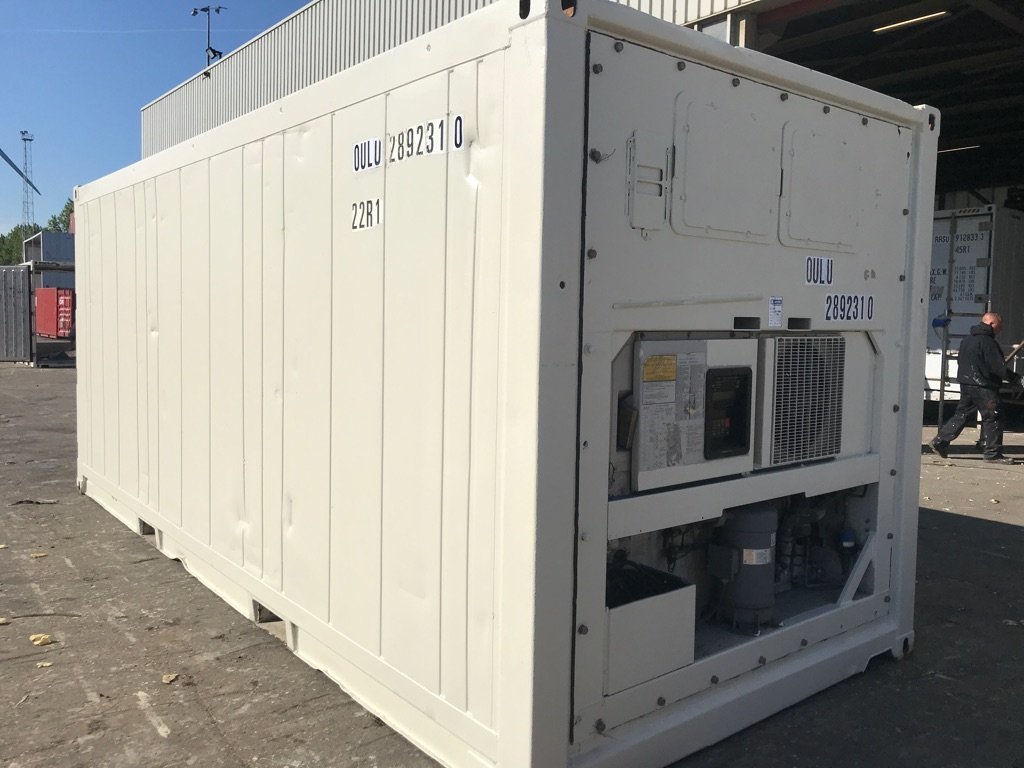
A 20ft Dual Temperature Refrigerated Container (also called a dual-zone reefer) is a specialized shipping container with one unit that cools two separate compartments to different temperatures. It’s like having two refrigerated trucks in one secure, movable box.
How It Works: The Basics
Key Feature: A single refrigeration unit splits the cold air flow into two chambers divided by an insulated partition wall.
-
Single Unit: Only one motor, compressor, and control panel to manage.
-
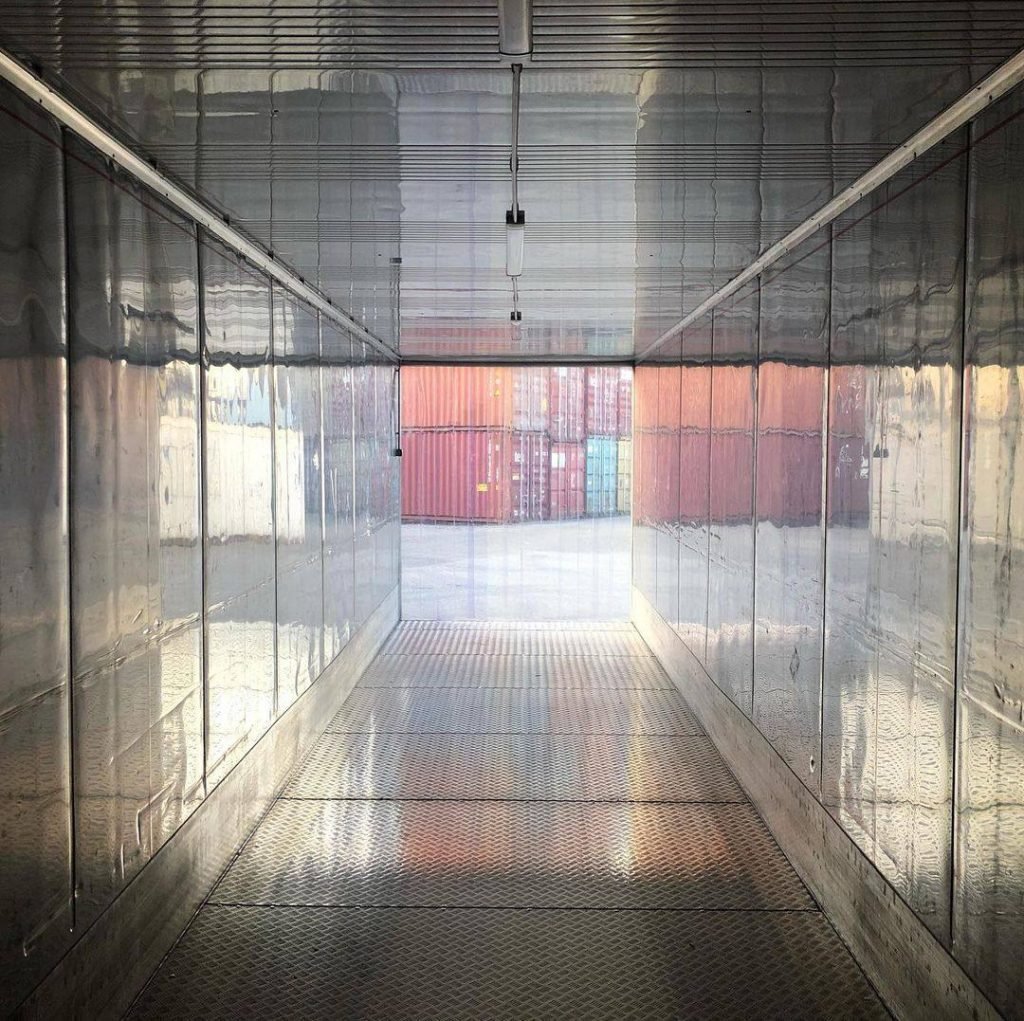
Two Chambers: A fixed, sealed wall splits the 20ft length into two rooms (e.g., 10ft each, or 12ft/8ft).
-
Independent Control: You can set a different temperature for each side (e.g., frozen goods on one side, fresh produce on the other).
Standard Configurations
| Configuration | Typical Split | Common Use Case |
|---|---|---|
| 50/50 Split | 10 ft + 10 ft | General mixed loads (frozen & chilled) |
| 60/40 Split | 12 ft + 8 ft | More frozen, less chilled, or vice versa |
Temperature Range: Each chamber can typically be set between -30°C to +30°C (-22°F to +86°F), independently.
Best Uses & Who Needs One
This unit is perfect for businesses that need to move or store two types of temperature-sensitive goods together on one trip.
Ideal for:
-
Food Distributors: Ice cream (frozen) & dairy (chilled) for the same store.
-
Caterers & Event Planners: Frozen meats & fresh vegetables for an event.
-
Supermarket Restocking: Mixed deliveries to a single location.
-
Pharmaceuticals: Different vaccines or medicines needing distinct temperatures.
-
Specialty Agriculture: Frozen fruit pulp & fresh-cut flowers.
Pros vs. Cons
| Pros | Cons |
|---|---|
| Saves Trips: One delivery instead of two. | Less Flexible: The wall is fixed; you can’t change the split. |
| Saves Fuel & Cost: One unit uses less energy than two separate trucks. | Complex: More can go wrong with the air flow system. |
| More Secure: One locked container for both products. | Harder to Find: Less common than single-temp reefers. |
| Good for Mixed Loads: Perfect for exact, repeated mixed orders. | Higher Price: Costs more to buy and maintain than a standard reefer. |
What to Check Before You Buy (Used Units)
-
The Partition Wall: Is it fully sealed, with no tears or damage to the insulation?
-
Air Dampers & Vents: Can you control the airflow to each side independently? Do the controls work?
-
Temperature History: Ask for data logs to see if both sides held their set temperatures consistently.
-
Doors & Seals: Each chamber has its own door. Check that both door seals are airtight.
Important Questions to Ask
-
“What is the exact length of each chamber?”
-
“Is the temperature control truly independent for each side?”
-
“Can you show me a test report proving both zones meet their set points?”
-
“Has the partition wall ever been repaired or modified?”
Simple Advice
Choose a Dual-Temperature 20ft Reefer if: You always ship the same two types of goods in similar amounts. It will save you time and money.
Stick with a Standard Reefer if: Your loads change often, or you only need one temperature. It’s simpler and cheaper.
Remember: You are trading flexibility for specialized efficiency. Make sure your business needs match the fixed design.
